

Students often struggle with narrative when writing research papers. This lesson plan helps students visualize controversies in order to help them develop structure and argumentation in their own work.
By creating their own Twitter accounts and finding accounts to follow that are related to their research topic, students learn the difference between library resources and online resources like daily news, blogs, and opinion.
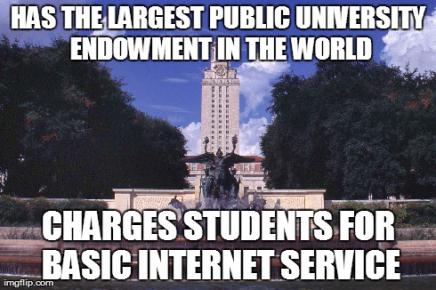
This assignment is designed to check student comprehension of rhetorical fallacies. It can also be used to begin to discuss rhetorical analysis of images.
By reading and browsing Viz. posts, students learn the difference between objective analysis and value judgment. This assignment also uses Viz. to teach students that the topics and tone used for rhetorical analysis can be wide-ranging and non- “academic.”
In this assignment, students work in the visual medium to explore dimensions of associative image logic they can use in their persuasive written compositions.
This plan puts student into groups of three or four and asks them to collaborate on generating a coherent analytical reading of a New Yorker cover image. The students present their readings to the class and then trade images and present a re-reading.
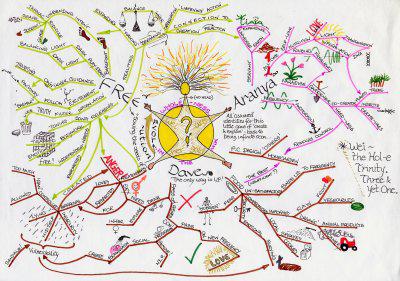
This assignment asks students to map out logos with the aid of visualized arguments and, ultimately, to create and explain their own vizualization of a textual argument that helps highlight the elements of logos within that textual argument.
As part fo the Digital Millenium Copyright Act of 1998, content service providers (such as YouTube) are given safe harbor from prosecution if they take certain steps to prevent copyright infringement. Unfortunately, this has led to a "shoot first and ask questions later" approach on YouTube's part.
I have my students complete their first major assignment in two forms: (1) An individual 3-page paper and (2) a 5-6 minute group podcast. In both, they describe a text and situate it in historical context.
This assignment is geared toward getting students to begin thinking, talking, and writing about how writing is a deeply embodied practice. I ask students to play two games (QWOP and GIRP) that reconfigure how we engage the keyboard as a material object.
Rather than post an explicit lesson plan to our site, I thought I’d run through a set of practices that have been successful for me over a few courses.
Using the multimedia curation program, Storify, students compose a short writing assignment analyzing an "author's" ethos based on his or her Twitter feed. This demonstrates the ways in which ethos is cultivated over time and in a variety of different ways.
This exercise asks students to work in groups to move past a working summary of a text's rhetoric to consider the goals of an author and their strategic approach to audiences. It uses PBworks' collaborative potentials to bridge the gap between two connected class discussions.
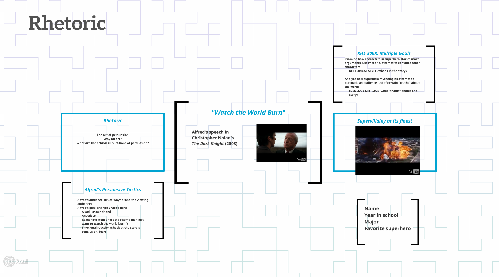
Use the pitch decks from real start-up companies to introduce persuasive writing. (The exercise may also be adapted to teach rhetorical analysis). Students review pitch decks in an online gallery and answer questions about their rhetorical construction.
Students videotape themselves reading 2-minute-long passages from a banned book of their choice. They then upload their readings to the Virtual Read-Out Youtube channel, sharing them nationally.
This lesson plan prompts students to use Juxta (collation software) to compare different witnesses or instances of a text. Students compare multiple versions of a literary work, locating revisions in order to discuss word choice and textual instabilities. Most useful for literary works with full-text editions available online.